
This document outlines the crucial reasons why Search Engine Optimization (SEO) is essential for the success and growth of your company in today’s digital landscape. It details how SEO can improve visibility, drive targeted traffic, enhance brand credibility, and ultimately boost revenue. By understanding the multifaceted benefits of SEO, you can make informed decisions about investing in this vital marketing strategy.
Increased Visibility and Organic Traffic
One of the primary reasons your company needs SEO is to increase its visibility in search engine results. When potential customers search for products or services related to your business, you want your website to appear prominently on the first page of search engine results pages (SERPs). SEO helps achieve this by optimizing your website’s content, structure, and technical aspects to align with search engine algorithms.
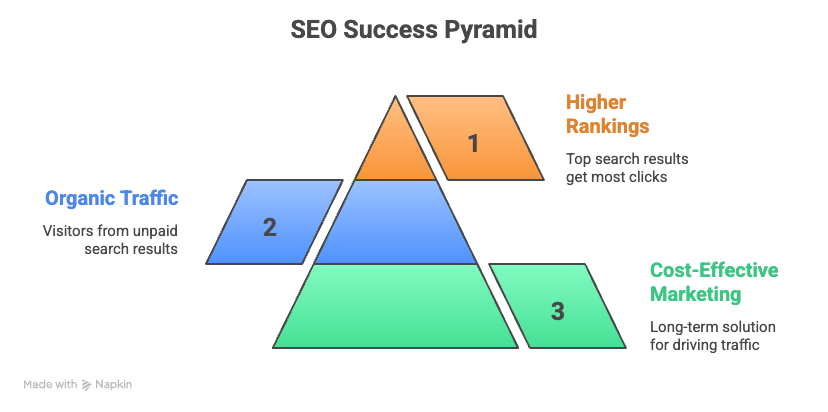
- Higher Rankings: Effective SEO strategies lead to higher rankings for relevant keywords. The higher your website ranks, the more likely users are to click on it. Studies show that the top three organic search results receive a significant majority of clicks.
- Organic Traffic: SEO drives organic traffic, which refers to visitors who find your website through unpaid search results. This type of traffic is highly valuable because it consists of users actively searching for what your company offers.
- Cost-Effective Marketing: Compared to paid advertising, SEO offers a more cost-effective long-term solution for driving traffic. While paid ads can provide immediate visibility, SEO builds a sustainable foundation for organic growth.
Targeted Traffic and Qualified Leads
SEO is not just about driving more traffic; it’s about driving the right traffic. By targeting specific keywords and phrases relevant to your business, SEO helps attract visitors who are genuinely interested in your products or services.
- Keyword Research: SEO involves thorough keyword research to identify the terms and phrases that your target audience uses when searching online. By optimizing your website for these keywords, you can attract users who are actively looking for what you offer.
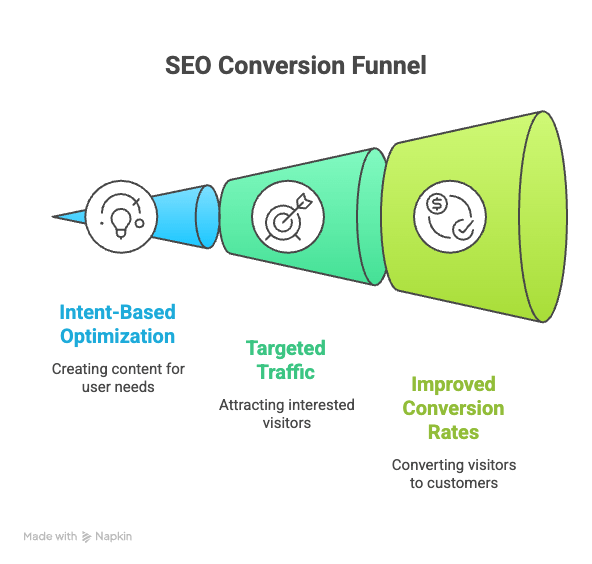
- Intent-Based Optimization: Understanding user intent is crucial for effective SEO. By creating content that addresses the specific needs and questions of your target audience, you can attract qualified leads who are more likely to convert into customers.
- Improved Conversion Rates: When you attract targeted traffic, you increase the likelihood of converting visitors into customers. Users who find your website through relevant search queries are more likely to be interested in your products or services and make a purchase.
Enhanced Brand Credibility and Trust
Appearing at the top of search engine results can significantly enhance your brand’s credibility and trust. Users tend to perceive websites that rank highly as more authoritative and trustworthy.
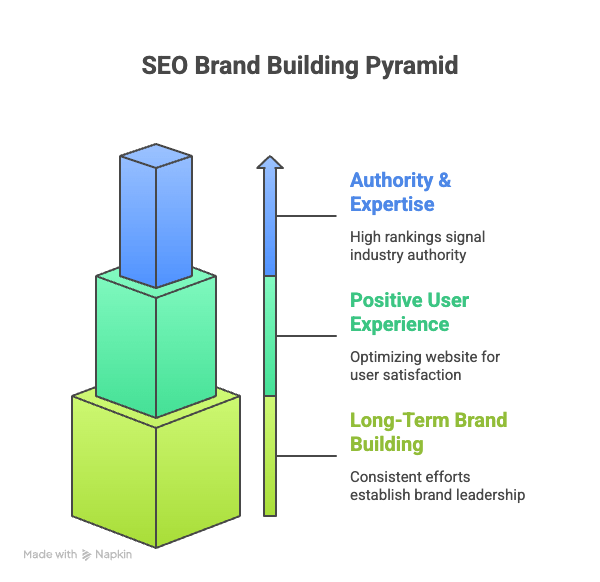
- Authority and Expertise: High rankings signal to users that your company is an authority in its industry. This can build trust and confidence in your brand.
- Positive User Experience: SEO involves optimizing your website for user experience, including factors like site speed, mobile-friendliness, and ease of navigation. A positive user experience can enhance brand perception and encourage repeat visits.
- Long-Term Brand Building: SEO is a long-term strategy that can help build brand awareness and recognition over time. Consistent efforts to improve your website’s search engine rankings can establish your brand as a leader in its industry.
Competitive Advantage
In today’s competitive market, SEO can provide a significant advantage over your competitors. By optimizing your website for search engines, you can outrank your competitors and capture a larger share of the market.
- Outranking Competitors: Effective SEO strategies can help you outrank your competitors in search engine results. This can lead to increased visibility and more traffic to your website.
- Identifying Opportunities: SEO involves analyzing your competitors’ strategies to identify opportunities for improvement. By understanding what your competitors are doing well, you can develop strategies to outperform them.
- Staying Ahead of the Curve: The SEO landscape is constantly evolving, with search engine algorithms changing frequently. By staying up-to-date with the latest SEO trends and best practices, you can maintain a competitive edge.
Competitive Advantage
In today’s competitive market, SEO can provide a significant advantage over your competitors. By optimizing your website for search engines, you can outrank your competitors and capture a larger share of the market.
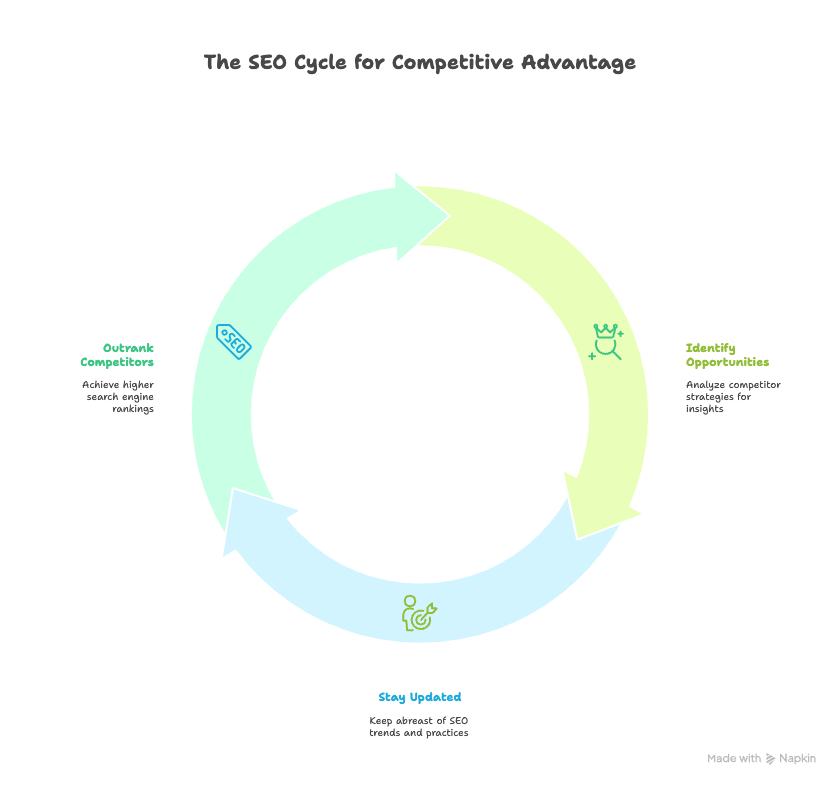
- Outranking Competitors: Effective SEO strategies can help you outrank your competitors in search engine results. This can lead to increased visibility and more traffic to your website.
- Identifying Opportunities: SEO involves analyzing your competitors’ strategies to identify opportunities for improvement. By understanding what your competitors are doing well, you can develop strategies to outperform them.
- Staying Ahead of the Curve: The SEO landscape is constantly evolving, with search engine algorithms changing frequently. By staying up-to-date with the latest SEO trends and best practices, you can maintain a competitive edge.
Long-Term Sustainable Growth
SEO is a long-term strategy that can provide sustainable growth for your business. Unlike paid advertising, which stops driving traffic when you stop paying, SEO builds a foundation for organic growth that can last for years.
- Building a Strong Foundation: SEO involves building a strong foundation for your website by optimizing its content, structure, and technical aspects. This foundation can support long-term growth and visibility in search engine results.
- Sustainable Traffic: SEO drives sustainable traffic that continues to flow to your website even when you’re not actively working on your SEO campaigns. This can provide a consistent stream of leads and customers for your business.
- Adaptability: While SEO is a long-term strategy, it also requires adaptability to changing search engine algorithms and user behavior. By staying up-to-date with the latest trends and best practices, you can ensure that your SEO efforts remain effective over time.

Conclusion
In conclusion, SEO is a vital investment for any company looking to thrive in the digital age. By increasing visibility, driving targeted traffic, enhancing brand credibility, and providing a competitive advantage, SEO can significantly impact your company’s bottom line. Embracing SEO as a core marketing strategy will pave the way for sustainable growth, increased revenue, and long-term success.
 Mnn media
Leave a comment